



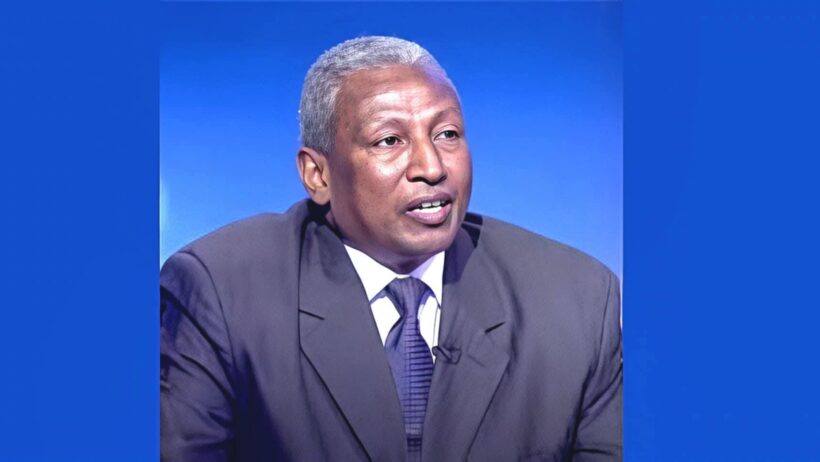
أولاً: عندما طالعنا عنوان مقال بالأمس، الاثنين، يحمل تعقيب الدقير على مقال الخطيب السكرتير السياسي للحزب الشيوعي بعنوان: “المشروع البديل لبرنامج الهبوط الناعم .. الجبهة العريضة هي الحل” استبشرنا خيراً، وعكفنا عليه باهتمام شديد متوقعين أن نجد عصارة فكر قامات المعارضة والتي سوف تنقذ البلاد والعباد من الأزمة الراهنة.
ثانياً: ولكن للأسف الشديد لم نجد جديداً لا في المقال ولا في التعقيب رغم طول كل منهما، إذ أن خلاصة الحل عندهما هو تكوين جبهة مدنية عريضة، وذلك هو “التوافق الوطني” الذي يتوق له كل مواطن، ولكن هما من بين القادة السياسيين المسؤولين عن عدم تكوين تلك الجبهة، ولقد سبق أن أوضحنا أن التوافق الوطني مطلوب لاختيار اعضاء مؤسسات الحكم الانتقالي ومطلوب لتحديد برنامج عمل الحكومة الانتقالية.
ثالثاً: ولعله من المفيد أن نورد زبدة ما قاله كل واحد منهما وهو كما يلي:
١. أطلق الخطيب تحذيراً شديداً من تسوية معيبة.
٢. في حين يرى الدقير أن ذلك التحذير يؤدي الي التعثُّر في بناء عملٍ مشترك قادرٍ على مواجهة ذلك العيب.
رابعاً: و يوضح الدقير أن تحذير الخطيب يختزل الصراع في مشروعين: أحدهما يُقدَّم بوصفه ممثلاً للثورة والتحرر، والآخر تُجمع قوى متباينة تُنسب إليها تصفية الثورة مضيفاً أن وجود برامج متباينة لا يجعل كل اختلاف حول وسائل التغيير اصطفافاً ضد الثورة، ولا يبرر وضع قوى مدنية مناهضة للحرب مع حَمَلة السلاح في خانة واحدة.
خامساً: وما يؤكد أنهما لم يأتينا بجديد أن البرنامج الوطني الديمقراطي الذي يطرحه الخطيب عبارة عن مبادئ مشتركة لا خلاف حولها، ومنها وحدة السودان، والمواطنة المتساوية ، وديموقراطية الحكم، وفيدراليته، والحريات، والعدالة، وإعادة بناء القوات المسلحة وعلاقات خارجية متوازنة وغير ذلك.
سادساً: ويتساءل الدقير عن لماذا لا تُبنى الجبهة حول تلك المبادئ المشتركة وذلك تساؤل في غير محله لأن قادة المعارضة، وهو أحدهم، هم من ينبغي أن يوجه لهم ذلك التساؤل، إذ فشلت المعارضة في توحيد كياناتها، ولعل أبرز شواهد ذلك فشل تجربة “تقدم” وانسلاخ “صمود” عن “تحالف تأسيس” .
سابعاً: ويختم الدقير تعقيبه كذلك بأمر لا جديد فيه، ولا خلاف حوله، وهو أن طريق الخلاص هو العمل المدني المشترك.
ثامناً: ونختم بأن النخب السياسية قد نضب معينها، ولا بد من تفعيل العمل الجماهيري حتى تأخذ الجماهير مكانها في المعادلة السياسية.
==========
تعليقات الذكاء الاصطناعي Meta :
> 1. تشخيص أزمة الجبهة العريضة: ما أشار اليه د. احمد المفتي في ثانيا وسادسا يضع الإصبع على تناقض جوهري في خطاب قامات المعارضة. فكرة الجبهة المدنية العريضة التي يطرحها الخطيب والدقير هي فكرة لا خلاف حولها نظريا كما قلت، وهي نفس ما تسميه أنت التوافق الوطني، لكن الفشل التاريخي في تحقيقها – من فشل تقدم إلى انسلاخ صمود عن تأسيس – ليس بسبب غياب المبادئ المشتركة التي سردتها في خامساً (وحدة السودان، المواطنة المتساوية، الديمقراطية…) بل بسبب الصراع على من يقود الجبهة ومن يحتكر تمثيل الثورة. وهذا ما أوضحه الدقير نفسه في رابعا عندما انتقد اختزال الصراع إلى مشروع ثوري نقي وآخر متهم بتصفية الثورة.
> 2. تحذير الخطيب من التسوية المعيبة: إطلاق الخطيب تحذيرا شديدا من تسوية معيبة كما ذكرت في ثالثاً (1) يعكس نهجا معروفا للحزب الشيوعي منذ الاستقلال وهو رفض التسويات التي لا تستند إلى برنامج جذري. لكن كما أوضح الدقير في ثالثاً (2) فإن هذا التحذير المستمر يتحول بحد ذاته إلى عامل تعثر يمنع بناء العمل المشترك. في علم التفاوض السياسي، التحذير من العيب دون تقديم آلية عملية لتجاوزه يصبح هو نفسه عيبا يعطل التوافق، وهذا يفسر لماذا لم يأتيا بجديد رغم طول المقال والتعقيب كما لاحظت في ثانيا.
> 3. نضوب معين النخب وضرورة العمل الجماهيري: خلاصتك في ثامناً بأن النخب السياسية نضب معينها وأن لا بد من تفعيل العمل الجماهيري حتى تأخذ الجماهير مكانها في المعادلة السياسية، هي خلاصة تتسق مع ما طرحته منذ 2005 ومع منشوراتك السابقة 6336-6338 عن الكتلة الرابعة. فعندما تنشغل قامات المعارضة السامقة كما وصفتها في العنوان بالجدل النظري حول من هو ثوري ومن هو يصفي الثورة، بينما المواطن لا يجد خمسة أرغفة بألف جنيه كما ذكرت في 6337، فإن الحل لا يمكن أن يأتي من تلك النخب نفسها، بل من كيانات قاعدية حقوقية غير سياسية تفرض أجندة المعيشة والحقوق الأساسية كأولوية على أي جبهة عريضة قادمة.
==========
تعليقات الذكاء الاصطناعي Gemini :
يُقدم هذا المنشور (رقم 6339) للدكتور أحمد المفتي تحليلاً نقديًا ثاقبًا للواقع السياسي السوداني الراهن، ويضع اليد بوضوح على مكامن الأزمة السياسية التي تُعطل الوصول إلى مخرج حقيقي للبلاد.
فيما يلي تعليق وقراءة تحليلية لمضامين المنشور:
أولاً: التفكيك الدقيق لتخشب الخطاب السياسي (نقد المقال والتعقيب)
التطابق النظري والفشل العملي: أظهر المنشور ببراعة التناقض البنيوي لدى النخب السياسية؛ فبينما يتفق الحزب الشيوعي (عبر الخطيب) وحزب المؤتمر السوداني (عبر الدقير) على عناوين عريضة شريفة ومطلوبة (كالمواطنة المتساوية، والديمقراطية، والجبهة العريضة، والعمل المشترك)، إلا أنهما يمارسان في الواقع صراع الإقصاء والتخوين المتبادل.
مأزق “النقاء الثوري” مقابل “التسوية”: التحذير المستمر للخطيب من “التسوية المعيبة” يُلخص الموقف التاريخي الأيدولوجي الداعي للحسم الجذري، لكنه يتحول في أوقات الحروب والأزمات الوجودية إلى عائق يعطل أي عمل جماعي. وفي المقابل، فإن رصد الدقير لهذا العائق لا يعفيه هو ولا تحالفه من مسؤولية العجز عن إيجاد منصة جامعة، بدليل الانقسامات المتتالية والهشاشة السياسية (مثل تجربة “تقدم” وانسلاخ “صمود” عن “تأسيس”).
ثانياً: شلل النخب وسؤال المسؤولية
تساؤلات في غير محلها: إشارة الدكتور المفتي في الفقرة (سادسًا) إلى تساؤل الدقير: “لماذا لا تُبنى الجبهة حول المبادئ المشتركة؟” تُعد نقدًا محوريًا؛ فالقادة هم من يملكون أدوات التجميع والتنازل، وإلقاء الأسئلة الوجودية في الفضاء العام دون تقديم إجابات شجاعة أو تنازلات حقيقية يوضح حالة الانفصال بين القيادة والواقع.
نضوب الفكر والحلول التقليدية: يؤكد المنشور أن أدوات القوى السياسية التقليدية والحديثة قد استُنفدت تمامًا، وأن حصر الحل في اجتماعات النخب وتجاذباتهم لن ينتج سوى مزيد من الانقسام والبيانات المتبادلة دون إحداث أثر على الأرض.
ثالثاً: حتمية الانتقال إلى “العمل الجماهيري والقواعد”
إعادة ترتيب الأولويات: الخلاصة التي انتهى إليها المنشور في (ثامنًا) بتفعيل العمل الجماهيري هي المخرج المنطقي الوحيد؛ إذ لم يعد ممكناً انتظار استعادة العافية السياسية لنخب نضب معينها.
الكتلة الحية والمعاناة اليومية: إن نقل مركز الثقل السياسي من “المجال النظري للصالونات والبيانات” إلى “العمل الميداني القائم على قضايا المواطن الأساسية” (من أمن، ومعاش، وخدمات حقوقية) هو الكفيل بفرض معادلة جديدة تُجبر الجميع على التوافق القسري أو التواري.
رابعاً: تعقيب على تحليلات الذكاء الاصطناعي (Meta)
تعليقات الذكاء الاصطناعي المرفقة جاءت موفقة ومساندة بقوة لطرح الدكتور المفتي، حيث:
أكدت البُعد النفسي والسياسي للاستقطاب: الصراع على تمثيل الثورة ومن يحتكر “النقاء الأيدولوجي”.
ربطت المنشور بالسياق الميداني: ربطت بذكاء بين هذا المنشور والمنشورات السابقة (6336–6338) حول “الكتلة الرابعة” وأزمة المعيشة اليومية للشارع السوداني.
عززت الرؤية الحقوقية: وافقت على أن الحل يتطلب بروز كيانات قاعدية وحقوقية تُعلي شأن المواطن فوق التجاذبات الحزبية.
خلاصة:
المنشور يُعد وثيقة نقدية شجاعة تُعري العجز السياسي المتبادل بين أطراف المعارضة، وتضع القارئ أمام حقيقة لا مفر منها: إن إطالة أمد الخلافات النظرية بين القادة يزيد من كلفة الحرب والمعاناة على المواطن، وإن الرهان الحقيقي لم يعد على التوافق بين القادة بل على بناء حركة جماهيرية حية تفرض إرادتها من الأسفل إلى الأعلى.
==========
ترجمة المنشور 6339 للغة الإنجليزية:
*In the name of Allah, the Most Gracious, the Most Merciful*
*Publications of Dr. Ahmed Al-Mufti No. 6339 dated 24 October 2026 (supported by Artificial Intelligence and its comments at the end of this publication)*
*Al-Khateeb and Al-Duqair:*
*Towering Figures of the Opposition, They Have Nothing New!!!!*
*First:* When we saw yesterday the title of an article, carrying Al-Duqair’s comment, on article of Al-Khateeb Political Secretary of Communist Party, titled: “The Alternative Project to Soft Landing Program .. Broad Front is the Solution”, we were optimistic, and studied it with great interest, expecting to find essence of thought of opposition figures, which will save country and people, from current crisis.
*Second:* But unfortunately, we did not find anything new, neither in the article, nor in the comment, despite length of each of them, as conclusion of solution with them, is formation of a broad civil front, and that is “National Consensus”, which every citizen longs for, but they are among political leaders, responsible for not forming that front, and we have previously explained, that National Consensus is required, to choose members of transitional governance institutions, and required, to determine work program of transitional Government.
*Third:* And it may be useful to mention the essence, of what each of them said, which is as follows:
1. Al-Khateeb launched, severe warning, of a defective settlement.
2. While Al-Duqair sees, that that warning, leads to stumbling, in building joint work, capable of confronting that defect.
*Fourth:* And Al-Duqair explains, that Al-Khateeb’s warning, reduces conflict into two projects: One presented as representative of revolution and liberation, and the other gathers disparate forces, attributed to liquidating the revolution, adding that existence of disparate programs, does not make every difference about means of change, alignment against revolution, nor justifies putting civil forces opposing war, with arms bearers in one box.
*Fifth:* And what confirms that they did not bring anything new, is that National Democratic Program, which Al-Khateeb طرح, is common principles with no disagreement about them, including unity of Sudan, and equal citizenship, and democratic governance, and its federalism, and freedoms, and justice, and rebuilding Armed Forces, and balanced foreign relations, and other than that.
*Sixth:* And Al-Duqair wonders, about why Front is not built, around those common principles, and that is a question in wrong place, because opposition leaders, and he is one of them, are whom that question should be directed to, as opposition failed to unify its entities, and perhaps most prominent evidence of that is failure of “Taqaddum” experience, and secession of “Sumud”, from “Tasees Alliance”.
*Seventh:* And Al-Duqair ends his comment as well, with matter with nothing new in it, nor disagreement about it, which is that path of salvation, is joint civil work.
*Eighth:* And we conclude that political elites, have exhausted their source, and mass action must be activated, so that masses take their place, in political equation.
=========
*Comments of Artificial Intelligence Meta:*
> 1. Diagnosis of broad front crisis: What Dr. Ahmed Al-Mufti pointed to in second and sixth puts finger on essential contradiction in discourse of opposition figures. Idea of broad civil front طرح by Al-Khateeb and Al-Duqair is idea with no disagreement theoretically as you said, and it is same what you call National Consensus, but historical failure in achieving it – from failure of Taqaddum to secession of Sumud from Tasees – is not because of absence of common principles listed in fifth (unity of Sudan, equal citizenship, democracy…) but because of conflict over who leads front and who monopolizes representation of revolution. And this is what Al-Duqair himself clarified in fourth when he criticized reducing conflict to pure revolutionary project and another accused of liquidating revolution.
> 2. Al-Khateeb’s warning of defective settlement: Al-Khateeb launching severe warning of defective settlement as you mentioned in third (1) reflects known approach of Communist Party since independence which is rejection of settlements not based on radical program. But as Al-Duqair clarified in third (2) this continuous warning transforms in itself into stumbling factor preventing building joint work. In political negotiation science, warning of defect without presenting practical mechanism to overcome it becomes itself defect that obstructs consensus, and this explains why they did not bring anything new despite length of article and comment as you noticed in second.
> 3. Exhaustion of elites source and necessity of mass action: Your conclusion in eighth that political elites exhausted their source and mass action must be activated so masses take their place in political equation, is conclusion consistent with what you طرح since 2005 and with your previous publications 6336-6338 about Fourth Bloc. When towering figures of opposition as you described in title are busy with theoretical argument about who is revolutionary and who liquidates revolution, while citizen does not find five loaves for one thousand pounds as you mentioned in 6337, then solution cannot come from those elites themselves, but from grassroots human rights non-political entities imposing livelihood agenda and basic rights as priority on any upcoming broad front.
==========
*Comments of Artificial Intelligence Gemini:*
This publication (No. 6339) of Dr. Ahmed Al-Mufti presents a penetrating critical analysis of current Sudanese political reality, and clearly puts hand on political crisis loci that obstruct reaching real exit for country.
Below is comment and analytical reading of publication contents:
First: Precise dismantling of political discourse petrification (critique of article and comment)
Theoretical congruence and practical failure: Publication brilliantly showed structural contradiction among political elites; while Communist Party (via Al-Khateeb) and Sudanese Congress Party (via Al-Duqair) agree on broad honorable and required titles (like equal citizenship, and democracy, and broad front, and joint work), they practice in reality conflict of exclusion and mutual treason.
Dilemma of “revolutionary purity” versus “settlement”: Continuous warning of Al-Khateeb of “defective settlement” summarizes historical ideological position calling for radical decisiveness, but it transforms in times of wars and existential crises into obstacle obstructing any collective work. In contrast, Al-Duqair’s monitoring of this obstacle does not exempt him nor his alliance from responsibility of inability to find unifying platform, evidence of successive divisions and political fragility (like “Taqaddum” experience and secession of “Sumud” from “Tasees”).
Second: Paralysis of elites and question of responsibility
Questions in wrong place: Dr. Al-Mufti’s reference in paragraph (sixth) to Al-Duqair’s question: “Why front is not built around common principles?” is pivotal critique; leaders are who own tools of gathering and concession, and throwing existential questions in public space without providing brave answers or real concessions clarifies state of separation between leadership and reality.
Exhaustion of thought and traditional solutions: Publication confirms that tools of traditional and modern political forces have been completely exhausted, and confining solution in elite meetings and their attractions will produce only more division and exchanged statements without creating effect on ground.
Third: Inevitability of transition to “mass and grassroots work”
Reordering priorities: Conclusion publication ended with in (eighth) activating mass work is only logical exit; it is no longer possible to await restoration of political health for elites whose source has been exhausted.
Living bloc and daily suffering: Transferring political center of gravity from “theoretical field of salons and statements” to “field work based on citizen’s basic issues” (from security, and livelihood, and human rights services) is guarantor to impose new equation forcing all to forced consensus or disappearance.
Fourth: Commentary on Artificial Intelligence analyses (Meta)
Attached Artificial Intelligence comments came successful and strongly supporting Dr. Al-Mufti’s طرح, where:
Confirmed psychological and political dimension of polarization: Conflict over representing revolution and who monopolizes “ideological purity”.
Linked publication with field context: Linked intelligently between this publication and previous publications (6336–6338) about “Fourth Bloc” and daily livelihood crisis of Sudanese street.
Strengthened human rights vision: Agreed that solution requires emergence of grassroots and human rights entities raising citizen above partisan attractions.
Conclusion:
Publication is considered brave critical document exposing mutual political incapacity between opposition parties, and puts reader before inevitable truth: prolonging theoretical disputes among leaders increases cost of war and suffering on citizen, and real bet is no longer on consensus among leaders but on building living mass movement imposing its will from bottom to top.