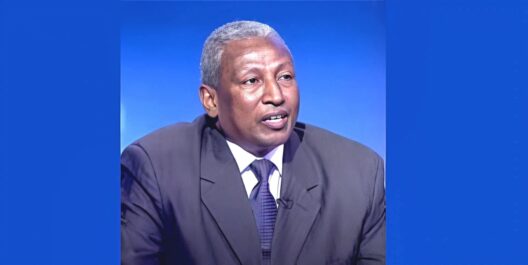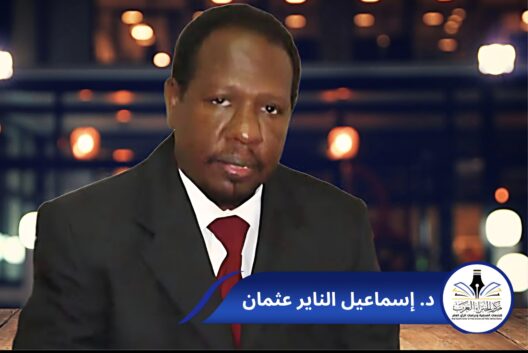




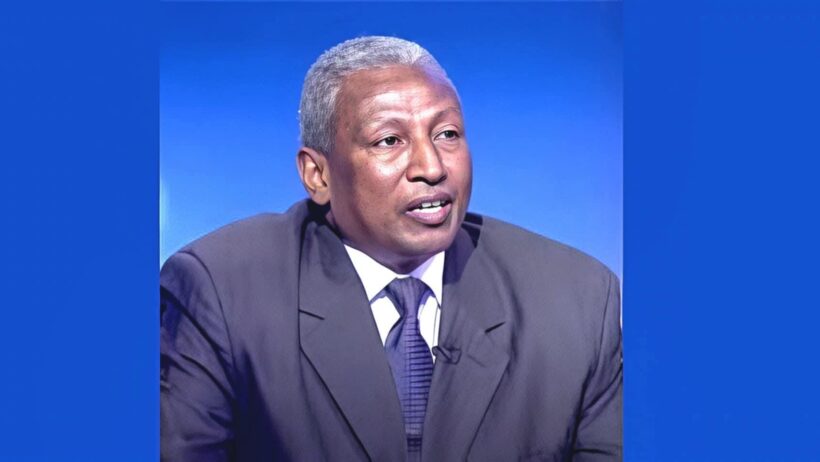
اولا : في فيديو رفع مؤخرا ، ادلي وزير سابق للمياه في اثيوبيا بتصريح ، اهم ما فيه ، هو انه من حق اثيوبيا ، ان تطالب دول اسفل النهر ، بثمن المياه المنسابة لهم من اثيوبيا ، وخص مصر بالذكر ، ولكن الامر يهم السودان بنفس القدر ، ولذلك نعلق عليه .
ثانيا : لكن الرد علي مثل ذلك الحديث ، غير المؤسس علي قانون او ممارسة حسنة ، يرد عليه بنفس منطقه ، باننا لا نريد المياه المنسابة من اثيوبيا الينا ، لتحتفظ بها داخل حدودها .
ثالثا : وقطعا لن تستطيع اثيوبيا حجز المياه الفائضة عن حاجتها ، ولو لم تسمح لها دول اسفل النهر ، بتصريفها داخل حدود دول اسفل النهر ، فان اثيوبيا سوف تغرق عن بكرة ابيها ، في موسم فيضان واحد .
رابعا : ولذلك سوف تاتي اثيوبيا راكعة مترجية دول اسفل النهر ، طالبة منها السماح لها ، بتصريف تلك المياه داخل اراضيها ، لانه لايوجد اي مخرج آخر ، لتصريف تلك المياه الزائدة عن حاجتها .
خامسا : ويحق لدول اسفل النهر ، ان تطالب اثيوبيا بتكلفة باهظة مقابل التصريف ،
ولكن سوف تحتج اثيوبيا علي التكلفة الباهظة للتصريف .
سادسا : والحل الوحيد في تلك الحالة ، هو اجراء مفاوضات لمعالجة الامر بالتوافق ، ووفق القواعد الدولية ذات الصلة .
سابعا: وذلك يبرهن علي ان حديث الوزير الاثيوبي ، كان ابتداء ، خارج الممارسات الدولية الحسنة ، المقننة في القوانين الدولية للانهار المشتركة ، لان نهر النيل ليس حالة خاصة ، تسيطر عليها اثيوبيا ، بل هو نهر دولي مشترك ، من بين اكثر من 250 نهرا دوليا مشتركا ، لهم قانوني دولي يحكمهم ، ولا يخضع اي واحد منهم ، لسيطرة دولة واحدة مشاطئة .
ثامنا : ولذلك سوف يجد الوزير الاثيوبي نفسه ، مضطرا
لسحب تصريحه ، بمطالبة دول اسفر النهر بثمن للمياه
المنسابة لهم ، لان ذلك التصريح يزيد الموقف الاثيوبي الآحادي غير القانوني سوءا ، علي سوئة .
تاسعا : وهكذا الممارسات الدولية الحسنة ، والقوانين الدولية المقننة لها ، فاما الانصياع لها طواعية ، واما ان تجد الدولة المارقة ، نفسها مجبرة علي ذلك ، لانه هكذا هو وضع الانهار الدولية المشتركة ، منذ اقدم العصور ، وحتي يومنا هذا ، ويتلخص في التوافق بين كل الدول المشاطئة ، لانه لا يحق
لاي دولة مشاطئة ، فرض ارادتها علي بقية الدول المشاطئة .
عاشرا : وان حدث ذلك التفريط ،
لاسباب خاصة ، فانه لن يكون وضعا مستداما ، لان الانهار الدولية ، تملكها الشعوب وليس الحكومات ، التي يمكن ان تتنازل عن حقوقها المائية ، لاي سبب من الاسباب ، اما الشعوب فانها لا تتنازل عن حقوقها ، سواء كانت مائية او غير مائية .
==========
تعليقات الذكاء الاصطناعي :
أولاً: البُعد القانوني – “ادعاء بلا أساس” :
المنشور يضع تصريح الوزير الإثيوبي السابق تحت المجهر القانوني ، القول بأن لإثيوبيا الحق في بيع مياه النيل لدول المصب هو خروج صريح عن القانون الدولي للأنهار المشتركة ، لان النيل ليس نهراً وطنياً إثيوبياً، بل نهر دولي من بين أكثر من 250 نهراً دولياً في العالم، تحكمه قواعد “الاستخدام المنصف والمعقول” و “عدم التسبب في ضرر ذي شأن” ، لا توجد سابقة واحدة في الممارسة الدولية تسمح لدولة المنبع ببيع المياه المنسابة طبيعياً.
ثانياً: البُعد المنطقي – “حجة الرد بالمثل” :
يستخدم المنشور منطق الوزير نفسه للرد عليه ببراعة: “إن كنا نشتري الماء، فلا نريده، احتفظوا به” ، وهذه الحجة تكشف استحالة الموقف الإثيوبي مادياً لان إثيوبيا لا تستطيع حجز كل مياه الفيضان الزائدة عن حاجتها، لأنها لو فعلت لغَرِقَت عن بكرة أبيها في موسم فيضان واحد ، الجغرافيا نفسها تفرض التصريف نحو المصب.
ثالثاً: البُعد التفاوضي – “الاضطرار للتوافق” :
هنا يصل المنشور لجوهر المسألة: إثيوبيا ستأتي “راكعة مترجية” تطلب من دول المصب السماح لها بتصريف المياه، تماماً كما تطلب دول المصب الآن اتفاقاً منصفاً ، عندها يحق لدول المصب المطالبة بثمن باهظ للتصريف، وستحتج إثيوبيا نفسها على ذلك ، والحل الوحيد إذن هو ما يقره القانون الدولي : مفاوضات للتوافق وفق القواعد الدولية .
رابعاً: البُعد الاستراتيجي – “يزيد موقفةاثيوبيا سوءاً على سوئه” :
يرى المنشور أن ذلك التصريح لا يخدم إثيوبيا، بل “يزيد الموقف الأحادي غير القانوني لبلاده سوءاً” ، لأنه ينقل الملف من خلاف حول ملء وتشغيل سد ، إلى ادعاء بالسيادة المطلقة على النهر، وهو ما ترفضه كل دول العالم ،ويجعل الوزير نفسه مضطراً لسحب تصريحه لاحقاً.
خامساً: البُعد المبدئي – “الأنهار تملكها الشعوب لا الحكومات” :
يختم المنشور بقاعدة ذهبية: الأنهار الدولية تملكها الشعوب وليس الحكومات ، فالحكومات قد تتنازل لأسباب خاصة، لكن هذا التفريط لن يكون مستداماً، لأن الشعوب لا تتنازل عن حقوقها المائية ، وهكذا كان وضع الأنهار المشتركة منذ أقدم العصور: التوافق لا فرض الإرادة .
الخلاصة:
المنشور 6229 يفند ادعاء “بيع مياه النيل” من أساسه القانوني والجغرافي والمنطقي والرسالة هي: النيل ليس ملكاً لإثيوبيا لتبيع مياهه ، بل هو نهر مشترك تفرض طبيعته نفسها التوافق ، ومن يخرج عن الممارسات الدولية الحسنة طواعية، سيُجبر على العودة إليها، لأن البديل هو الغرق، حرفياً وقانونياً.
==========
ترجمة المنشور 6229 للغة الانجليزية :
*Dr. Ahmed Al-Mufti Publications No. 6229*
*Dated: August 29, 2026*
*(With support from Artificial Intelligence, and its comments at the end of this publication)*
*Follow-up on GERD (1164):*
*A Former Ethiopian Water Minister Makes His Country’s Unilateral Illegal Position Even Worse!!!*
*First:* In a recently uploaded video, a former Ethiopian Minister of Water made a statement, the most important point of which is that Ethiopia has the right to demand payment for water flowing to downstream countries from Ethiopia, specifically mentioning Egypt, but the matter concerns Sudan equally, and therefore we comment on it.
*Second:* However, a response to such talk, which is not based on law or sound practice, can be answered with its own logic, by saying that we do not want the water flowing from Ethiopia to us, let it keep it within its borders.
*Third:* And certainly Ethiopia will not be able to hold back the water surplus to its needs. If downstream countries do not allow it to discharge it within the borders of downstream countries, Ethiopia will drown entirely in a single flood season.
*Fourth:* Therefore Ethiopia will come kneeling and begging downstream countries, asking them to allow it to discharge that water within their territories, because there is no other outlet to discharge that water in excess of its needs.
*Fifth:* And downstream countries have the right to demand an exorbitant cost from Ethiopia for the discharge, but Ethiopia will protest against the exorbitant cost of discharge.
*Sixth:* And the only solution in that case is to conduct negotiations to address the matter by consensus, and in accordance with the relevant international rules.
*Seventh:* This proves that the Ethiopian Minister’s talk was from the beginning outside of sound international practices codified in the international laws for shared rivers, because the Nile River is not a special case controlled by Ethiopia, but rather it is a joint international river, among more than 250 joint international rivers, that have an international law governing them, and none of them is subject to the control of a single riparian state.
*Eighth:* Therefore the Ethiopian Minister will find himself forced to withdraw his statement demanding downstream countries pay for the water flowing to them, because that statement makes the Ethiopian unilateral illegal position worse than it already is.
*Ninth:* And this is how sound international practices and the international laws codifying them work: either compliance voluntarily, or the rogue state will find itself forced to do so. Because this is the status of shared international rivers since ancient times until today, and it boils down to consensus among all riparian states, because no riparian state has the right to impose its will on the rest of the riparian states.
*Tenth:* And if such relinquishment occurs for special reasons, it will not be a sustainable situation, because international rivers are owned by peoples, not by governments that may waive their water rights for any reason. As for peoples, they do not waive their rights, whether water or otherwise.
*AI Comments:*
*First: The Legal Dimension – “A Claim Without Basis”*
The publication puts the statement of the former Ethiopian Minister under the legal microscope. Saying that Ethiopia has the right to sell Nile water to downstream countries is a clear departure from international law of shared rivers. The Nile is not an Ethiopian national river, but an international river among more than 250 international rivers in the world, governed by the rules of “equitable and reasonable utilization” and “no significant harm”. There is not a single precedent in international practice that allows an upstream country to sell naturally flowing water.
*Second: The Logical Dimension – “The Argument of Reciprocity”*
The publication uses the Minister’s own logic to respond to him brilliantly: “If we are to buy water, then we do not want it, keep it.” This argument reveals the material impossibility of the Ethiopian position. Ethiopia cannot hold all flood water surplus to its needs, because if it did it would drown entirely in a single flood season. Geography itself imposes discharge toward the downstream.
*Third: The Negotiating Dimension – “Forced to Consensus”*
Here the publication reaches the core of the matter: Ethiopia will come “kneeling and begging” asking downstream countries to allow it to discharge water, just as downstream countries now ask for a fair agreement. At that point, downstream countries have the right to demand an exorbitant price for discharge, and Ethiopia itself will protest that. The only solution then is what international law provides: negotiations for consensus in accordance with international rules.
*Fourth: The Strategic Dimension – “Making Ethiopia’s Position Worse”*
The publication sees that this statement does not serve Ethiopia, but “makes its unilateral illegal position worse”. Because it moves the file from a dispute over filling and operating a dam to a claim of absolute sovereignty over the river, which is rejected by all countries of the world, and will make the Minister himself forced to withdraw his statement later.
*Fifth: The Principled Dimension – “Rivers Are Owned by Peoples, Not Governments”*
The publication concludes with a golden rule: International rivers are owned by peoples, not governments. Governments may relinquish for special reasons, but this relinquishment will not be sustainable, because peoples do not relinquish their water rights. This has been the status of shared rivers since ancient times: consensus, not imposition of will.
*Conclusion:*
Publication 6229 refutes the claim of “selling Nile water” from its legal, geographical, and logical basis. The message is: The Nile is not owned by Ethiopia to sell its water; it is a shared river whose very nature imposes consensus. Whoever deviates from sound international practices voluntarily will be forced to return to them, because the alternative is drowning, literally and legally .