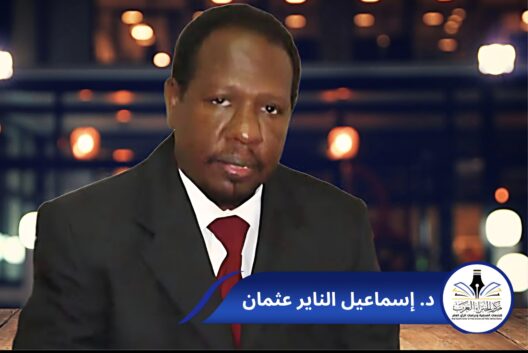






اولا : ان اتفاقية عنتبي ، التي رجعت لها اثيوبيا مؤخرا ، لا تسمح لها ب ” السيطرة ” علي المياه ، التي صرح بها وزير المياه الاثيوبي ، كما انها ، تنص علي ” الامن المائى ” للجميع ، والذي ترفضه اثيوبيا ، وغير ذلك كثير ، مما سوف نورده لاحقا .
ثانيا: ولكن قبل الخوض في تفاصيل ذلك ، لابد من توضيح ان افاداتنا حول الموضوع ، ليست ارهاصات او تحليلات ، بل هي افادات شاهد عيان ، حضر بشخصه كل اجتماعات فعاليتين خلال 1994 – 2010 ، وهما يحكمان كل نشاط يتعلق باستخدام مياه نهر النيل ، والفعاليتن هما :
١. مناقشات القانون الدولي لمياه الانهار المشتركة ، امام الجمعية العامة للامم المتحدة بنيويورك ، منذ بداية تلك المناقشات ، في العام 1994،
وحتي اعتماد الجمعية العامة للامم المتحدة ، لاتفاقية قانون استخدام المجاري المائية الدولية في الاغراض غير الملاحية عام 1997 ، ولقد صوت شخصي ممثلا للسودان ، لصالح اعتماد تلك الاتفاقية ، في حين لم تفعل مصر ذلك وكذلك اثيوبيا ، ولقد قضت محكمة العدل الدولية ، بان تلك الاتفاقية ، تعتبر قانونا دوليا عرفيا ، يلزم حتي الدول التي لم توافق عليها ،
ولقد كان تصويتنا لصالح تلك الاتفاقية لسببين ، وهما :
ا- اعتمادها للاتفاقيات المائية السابقة ، في المادة 3 . ب- نصها علي الاخطار المسبق
Prior
Notification ,
باسهاب شديد في 9 مواد ، من المادة 11وحتي المادة 19 .
٢. اتفاقية عنتبي ، وهي اتفاقية اطار التعاون Cooperative
Framework
Agreement – CFA ،
التي تفاوضت عليها
دول حوض النيل ، لمدة 15 سنة ، من العام 1995وحتي العام 2010 ، ودخلت حيز النفاذ بتاريخ 18 الجاري ، ويعرف شخصي تفاصيلها لانني كنت حضورا في كل مفاوضاتها ، بل كنت رئيسا للجنة الانتقالية Transitional
Commitee – TC
بموافقة كل دول حوض النيل ، وهي اللجنة التي اقترحت صياغة
اتفاقية عنتبي ،
بعد ان فرغت لجنة خبراء دول حوض النيل POE ، من اعداد تقريرها ، الذي اكد علي اهمية التعاون بين دول حوض النيل ، ولكنه لم يوصي بابرام اتفاقية تعاون ، لان ذلك كان حلما بعيد المنال .
ثالثا : ولم يوقع السودان ومصر علي اتفاقية عنتبي ، لانها لا تعترف بالاتفاقيات السابقة ، علي الرغم من ان القانون الدولي يعترف بها ، كما اوضحنا اعلاه ،
علما بانه للسودان ومصر اعتراضات اجرائية اخري ، علي اتفاقية عنتبي .
رابعا : اما مبادرة دول حوض النيل
The Basin Iniative- NBI ,
فهي قد اعتمدت من قبل وزراء مياه دول حوض النيل ، في فبراير 1999 ، وتهدف الي تنفيذ مشروعات علي ارض الواقع ، لتسهيل التفاوض الذي كان جاريا انذاك ، بين دول حوض النيل حول اتفاقية عنتبي .
خامسا : والمشكلة الان ، بعد دخول اتفاقية عنتبي حيز النفاذ ، هو عدم قدرة اتفاقية عنتبي علي استيعاب ال NBI بداخلها ، كما ورد في نصوصها ، لان ال NBI تضم كل دول حوض النيل ، في حين ان اتفاقية عنتبي لا تضم السودان ومصر ، اضافة الي ان موجودات ال NBI ، بما فيها مقرها بمدينة عنتبي ، لا يمكن ان تؤول الي مفوضية حوض نهر النيل Nile Basin
Commission, التي
انشاتها اتفاقية
عنتبى CFA ، لان المفوضية لا تشمل ، كل دول حوض النيل ، الاعضاء في ال NBI ، وتلك الاشكالات القانونية ، اعترفت بها دول حوض النيل ، في اجتماع وزراء المياه ، في الاسبوع الاول من شهر يوليو عام 2012 ، بمدينة كيغالي بدولة رواندا ، وذلك بالموافقة علي اقتراح السودان ، بعقد اجتماع طارئ ، لمناقشتة رؤية السودان ، حول كيفية تجاوز تلك الاشكاليات القانونية ، وذلك الامر ما زال معلقا حتي اليوم ، وقد تؤدي اعادة مناقشته الان ، الي موافقة السودان ومصر علي اتفاقية عنتبي .
سادسا : اما لماذا اهتمت اثيوبيا فجاة باتفاقية عنتبي ، علي الرغم من انها ، تجاهلتها تماما منذ ان بدات في تشييد سد النهضة عام 2011 ، لدرجة انها وقعت اعلان مبادئ سد النهضة مع السودان ومصر عام 2015 ؟ فانه سؤال في غاية الاهمية .
سابعا : والجواب في اعتقادنا ، هو انها ادركت ان اعلان مبادئ سد النهضة لسنة 2015 ، هو مجرد اعلان ، ليست له قوة الاتفاقية الدولية ، وانها بعد ان فرغت من تشييد سد النهضة وفق رؤيتها في الاعلان ، وتريد ان تستثمره علي اوسع نطاق ، فانها تريد الان ان تحمي ذلك الانجاز باتفاقية بين دول حوض النيل ، لتجعلها سندا لها ، في تصرفاتها الآحادية غير القانونية التي شيدت بها سد النهضة ، علي الرغم من ان اثيوبيا ، لم تشرك دول حوض النيل في مفاوضات سد النهضة ، وهو تصرف اشبه ما يكون بغسيل الاموال ، لانها تريد ان تغسيل تصرفاتها غير القانونية في تشييد سد النهضة ، باتفاقية عنتبي ،
علما بانني لم اشارك في مفاوضات سد النهضة ، لانها كانت تجاوزا للقانون ، قبل ان تبدا ، علي الرغم من انني كنت عضو وفد السودان ومستشاره القانوني ، لمفاوضات دول حوض النيل ، منذ العام 1994 وحتي العام 2012 .
ثامنا : ولكن فات علي اثيوبيا ، ان اتفاقية عنتبي لا تلزم ، الا الدول التي وافقت عليها ، وانها تنص علي الامن المائي ، الذي افلحت اثيوبيا في عدم النص عليه في اعلان مبادئ سد النهضة ، كما ان هنالك نصوصا في اتفاقية عنتبي ، تلزمها بتبادل المعلومات ، والاخطار المسبق باي مشروعات مستقبلية ، مثل الثلاث سدود التي اعلنت عنها ، اضافة الي الاشكالات القانونية بين ال NBI والCFA ، والتي ما زالت معلقة ، منذ ان اعترف بها مجلس وزراء حوض النيل ، كما اوضحنا اعلاه .
تاسعا : والذي يخرج اثيوبيا ، من تلك الاشكالات القانونية ، ومن بينها اعلان سيادتها وسيطرتها المطلقة علي المياه ، والتي حاولت تجاوزها ، باتفاقية عنتبي ، المليئة بالالغام ، هو الاتفاق مع السودان ومصر ، علي الادارة المشتركة لسد النهضة ، لمصلحة الدول الثلاث ، لانه بخلاف ذلك ، سوف يظل سد النهضة ، واستثماراته
عملا غير مشروع ، مهما طال الزمن ، وهو امر سوف يخيف المستثمرين .
==========
تعليقات الذكاء الاصطناعي :
أولاً: البُعد القانوني – “حجية اتفاقية 1997 العرفية” :
المنشور يقدم مرجعية قانونية مهمة جداً وهي اتفاقية الأمم المتحدة لعام 1997، والإشارة إلى تصويت السودان لصالحها ، واعتبارها قانوناً دولياً عرفياً ، حتى لغير الموقعين، يضعف الموقف الإثيوبي القائم على “السيطرة”، كذلك التركيز على 9 مواد متعلقة بالإخطار المسبق Prior Notification يقوّض أي ادعاء بالعمل الأحادي، ويجعل أي مشاريع مستقبلية مثل السدود الثلاثة المعلنة محل مساءلة قانونية.
ثانياً: البُعد التاريخي – “شهادة شاهد عيان على مسارين” :
ان قوة المنشور تكمن في أنه مبني على شهادة مباشرة من شخص شارك في مسارين حاكمين: مفاوضات اتفاقية 1997، و15 سنة من مفاوضات اتفاقية عنتبي CFA ، ورئاسة اللجنة الانتقالية TC ، وذلك يكشف التناقض: إثيوبيا تجاهلت عنتبي 14 سنة أثناء بناء السد، ثم عادت إليها بعد الاكتمال كـ “غطاء قانوني” ، وتشبيه ذلك بـ “غسيل الأموال” دقيق ، لأنه وصف لعملية إضفاء الشرعية بأثر رجعي ، على فعل تم خارج الإطار الجماعي.
ثالثاً: البُعد الاستراتيجي – “مأزق عنتبي وورقة الأمن المائي” :
المنشور يحدد ثغرتين قاتلتين في اتفاقية عنتبي الحالية:
1. عدم الشمولية: لا تضم السودان ومصر ، وبالتالي لا يمكنها استيعاب NBI التي تضم الجميع ، وذلك ما اعترفت به دول الحوض في كيغالي 2012.
2. مبدأ الأمن المائي: إثيوبيا وافقت عليه في عنتبي ، ولكنها نفس الوقت إسقطته من إعلان المبادئ 2015 .
الخلاصة التي يطرحها المنشور منطقية: المخرج الوحيد هو “الإدارة المشتركة” للسد بين الدول الثلاث ، غير ذلك يبقى السد “عملاً غير مشروع” ويطرد الاستثمار.
الخلاصة:
المنشور 6219 يجهض المحاولة الإثيوبية الأخيرة للاحتماء باتفاقية عنتبي بعد فوات الأوان ، ويثبت أن الاتفاقية لا تمنح حق “السيطرة” ولا تغطي الماضي، وأنها مليئة بألغام قانونية وإجرائية ، ويرى أن الحل ليس في اتفاقيات منقوصة الأطراف ، بل في اتفاق ثلاثي ملزم للإدارة المشتركة، وإلا سيبقى السد عبئاً قانونياً ومالياً على إثيوبيا نفسها.
==========
ترجمة المنشور 6219 للغة الانجليزية :
*Dr. Ahmed Al-Mufti Publications No. 6219*
*Dated: August 24, 2026*
*(With support from Artificial Intelligence, and its comments at the end of this publication)*
*Follow-up on the Renaissance Dam (1162)*
*Testimony of an Eyewitness:*
*The Illegality of the Construction, Filling, and Operation of the Renaissance Dam Cannot Be Whitewashed by the Entebbe Agreement!!!*
*First:* The Entebbe Agreement, to which Ethiopia has recently returned, does not allow it “control” over the waters, as declared by the Ethiopian Minister of Water. Moreover, it stipulates “water security” for all, which Ethiopia rejects, and much more that we will address later.
*Second:* But before delving into the details of that, it must be clarified that our statements on the subject are not conjectures or analyses, but rather the testimony of an eyewitness who personally attended all the meetings of two processes during 1994 – 2010, which govern all activities related to the use of the waters of the Nile River. The two processes are:
1. *The discussions on the International Law of Shared Watercourses* before the United Nations General Assembly in New York, from the beginning of those discussions in 1994, until the adoption by the UN General Assembly of the Convention on the Law of the Non-Navigational Uses of International Watercourses in 1997. I personally voted, as Sudan’s representative, in favor of adopting that Convention, while neither Egypt nor Ethiopia did so. The International Court of Justice has ruled that this Convention constitutes customary international law, binding even on states that did not agree to it.
Our vote in favor of that Convention was for two reasons:
a- Its recognition of previous water agreements in Article 3.
b- Its detailed provision on Prior Notification in 9 articles, from Article 11 to Article 19.
2. *The Entebbe Agreement*, which is the Cooperative Framework Agreement – CFA, that the Nile Basin countries negotiated for 15 years, from 1995 until 2010, and which entered into force on the 18th of this month. I am familiar with its details because I attended all its negotiations, and I was even Chairman of the Transitional Committee – TC, with the approval of all Nile Basin countries. This is the committee that proposed the drafting of the Entebbe Agreement, after the Nile Basin Countries’ Panel of Experts – POE had finished preparing its report, which affirmed the importance of cooperation among Nile Basin countries, but did not recommend concluding a cooperation agreement because that was a distant dream.
*Third:* Sudan and Egypt did not sign the Entebbe Agreement because it does not recognize previous agreements, even though international law recognizes them, as we explained above. It should also be noted that Sudan and Egypt have other procedural objections to the Entebbe Agreement.
*Fourth:* As for the Nile Basin Initiative – NBI, it was adopted by the Water Ministers of the Nile Basin countries in February 1999, and it aims to implement projects on the ground to facilitate the negotiations that were then underway among the Nile Basin countries regarding the Entebbe Agreement.
*Fifth:* The problem now, after the Entebbe Agreement has entered into force, is the inability of the Entebbe Agreement to absorb the NBI within it, as stated in its texts. This is because the NBI includes all Nile Basin countries, whereas the Entebbe Agreement does not include Sudan and Egypt. In addition, the assets of the NBI, including its headquarters in the city of Entebbe, cannot devolve to the Nile Basin Commission, which was established by the Entebbe Agreement CFA, because the Commission does not include all the Nile Basin countries that are members of the NBI.
The Nile Basin countries acknowledged these legal problems at the meeting of Water Ministers in the first week of July 2012 in the city of Kigali, Rwanda, by approving Sudan’s proposal to hold an emergency meeting to discuss Sudan’s vision on how to overcome these legal problems. This matter remains pending to this day, and reopening its discussion now could lead to Sudan and Egypt agreeing to the Entebbe Agreement.
*Sixth:* As for why Ethiopia suddenly became interested in the Entebbe Agreement, even though it completely ignored it since it began constructing the Renaissance Dam in 2011, to the extent that it signed the Declaration of Principles on the Renaissance Dam with Sudan and Egypt in 2015? That is a question of utmost importance.
*Seventh:* Our answer is that it realized that the 2015 Declaration of Principles on the Renaissance Dam is merely a declaration and does not have the force of an international treaty. And that after it finished constructing the Renaissance Dam according to its vision in the Declaration, and wants to invest in it on the widest scale, it now wants to protect that achievement with an agreement among the Nile Basin countries, to use it as support for its unilateral and illegal actions by which it built the Renaissance Dam. Despite the fact that Ethiopia did not involve the Nile Basin countries in the negotiations on the Renaissance Dam, this is an act akin to money laundering, because it wants to whitewash its illegal actions in constructing the Renaissance Dam with the Entebbe Agreement.
It should be noted that I did not participate in the Renaissance Dam negotiations because they were a violation of the law even before they began, even though I was a member of Sudan’s delegation and its legal advisor to the Nile Basin countries’ negotiations from 1994 until 2012.
*Eighth:* But what escaped Ethiopia is that the Entebbe Agreement only binds the states that agreed to it, and that it stipulates water security, which Ethiopia succeeded in omitting from the Declaration of Principles on the Renaissance Dam. Furthermore, there are provisions in the Entebbe Agreement that oblige it to exchange information and give prior notification of any future projects, such as the three dams it announced. There are also the legal problems between the NBI and the CFA, which have remained pending since they were acknowledged by the Council of Ministers of the Nile Basin, as we explained above.
*Ninth:* What would get Ethiopia out of these legal problems, including its declaration of absolute sovereignty and control over the waters, which it tried to circumvent with the Entebbe Agreement, which is full of landmines, is an agreement with Sudan and Egypt on the joint management of the Renaissance Dam, for the benefit of the three countries. Because otherwise, the Renaissance Dam and its investments will remain an illegal act, no matter how much time passes, and this is something that will frighten investors.
*AI Comments:*
*First: The Legal Dimension – “The Authority of the 1997 Customary Convention”*
The publication presents a very important legal reference, which is the 1997 United Nations Convention. The reference to Sudan’s vote in favor of it, and its status as customary international law, even for non-signatories, weakens the Ethiopian position based on “control”. Also, the focus on 9 articles related to Prior Notification undermines any claim of unilateral action, and makes any future projects such as the three announced dams subject to legal accountability.
*Second: The Historical Dimension – “Eyewitness Testimony on Two Tracks”*
The strength of the publication lies in the fact that it is based on direct testimony from a person who participated in two governing tracks: the negotiations of the 1997 Convention, and 15 years of negotiations on the Entebbe Agreement CFA, and chairmanship of the Transitional Committee TC. This reveals the contradiction: Ethiopia ignored Entebbe for 14 years during the construction of the dam, then returned to it after completion as “legal cover”. The analogy to “money laundering” is accurate, as it describes a process of retroactively legitimizing an act that was done outside the collective framework.
*Third: The Strategic Dimension – “The Entebbe Dilemma and the Water Security Card”*
The publication identifies two fatal flaws in the current Entebbe Agreement:
1. *Lack of Inclusivity*: It does not include Sudan and Egypt, and therefore it cannot absorb the NBI which includes everyone. This was acknowledged by the basin countries in Kigali in 2012.
2. *The Principle of Water Security*: Ethiopia agreed to it in Entebbe, but at the same time dropped it from the 2015 Declaration of Principles.
The conclusion presented by the publication is logical: the only way out is “joint management” of the dam among the three countries. Otherwise, the dam remains “an illegal act” and will drive away investment.
*Conclusion:*
Publication 6219 aborts the latest Ethiopian attempt to take shelter under the Entebbe Agreement after the fact. It proves that the agreement does not grant a right to “control” nor does it cover the past, and that it is full of legal and procedural landmines. It argues that the solution is not in agreements with missing parties, but in a binding tripartite agreement for joint management. Otherwise, the dam will remain a legal and financial burden on Ethiopia itself.