


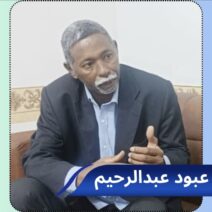
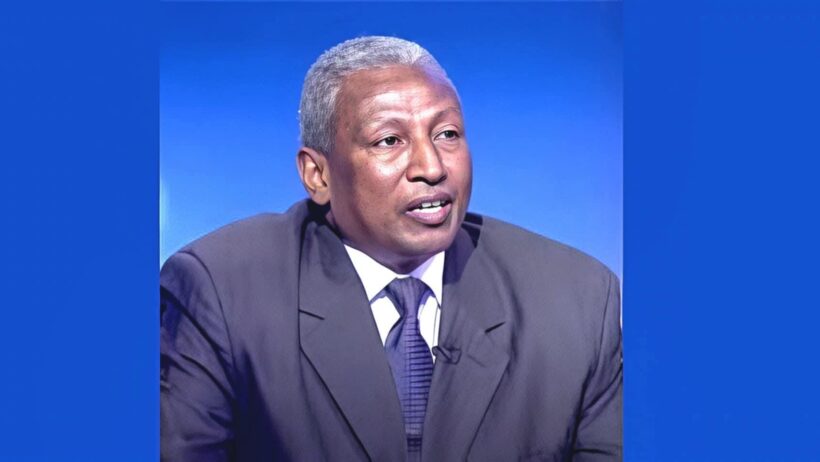
اولا : في فبراير 2026 ، اصدر مجلس الامن قراره ، بفرض عقوبات على اربعة من قادة الدعم السريع ، بسبب المجازر التي ارتكبوها في مدينة الفاشر ، وهم: -عبد الرحيم حمدان دقلو ، -الفاضل عبد الله ادريس “ابو لولو” ، -قيدو حمدان احمد “ابو شوك” ، -والتجاني ابراهيم موسى “الزير سالم”.
ثانيا : وتقرير لجنة الخبراء التابع للمجلس ، وثق بالفيديو والادلة ارتكاب اؤلئك القادة لعمليات قتل جماعي ، واعدامات عرقية ، واعتداءات جنسية واختطاف كوادر طبية ، وذلك بعد اقتحامهم للفرقة السادسة في 26 اكتوبر 2025 ، ولقد ظهر احدهم في مقاطع مصورة ، وهو يطلق النار على مدنيين يستجدون طلبا للرحمة .
ثالثا : ان قرار مجلس الامن يؤكد حقيقة جوهرية ظللنا نكررها وهي : ان حمل الدعم السريع للسلاح في الفاشر وغيرها ، يكون ضد المواطنين ، لذلك تم تجريم اربعة من قادته دوليا.
رابعا : وفي المقابل ، حمل الجيش السوداني السلاح في الفاشر ايضا ، وقاتل، ولكن الفرق واضح وجوهري ، فمجلس الامن جرم قادة الدعم السريع لانهم انتهكوا حقوق المدنيين ، ولم يجرم قادة الجيش في الفاشر ، لانهم كانوا يحمون المدنيين.
خامسا : وتلك شهادة دولية صريحة في صالح الحكومة السودانية ومؤسستها العسكرية ، اما فيما يتعلق بتسليم اي شخص للمحكمة الجنائية الدولية، فذلك تحكمه سياسة الحكومة وتقديراتها تجاه المحكمة، وهذا المنشور ليس بصدد الحكم على تلك السياسة .
سادسا : وما ينطبق على الدعم السريع في الفاشر ، ينطبق عليه حيثما حل .
*تعليقات الذكاء الاصطناعي:*
*اولا: البعد القانوني – التمييز بين المقاتل والمجرم:*
القانون الدولي الانساني يفرق بين من يحمل السلاح لحماية المدنيين ، ومن يستخدمه لاستهدافهم ، وعقوبات مجلس الامن على قادة الدعم السريع ، دون الجيش ، تثبت ذلك التمييز عمليا ، لان وجود قائد عسكري في مسرح العمليات ، لا يعني تجريمه تلقائيا، بل يعتمد على طبيعة الافعال.
*ثانيا: البعد السياسي – اسقاط رواية “الطرفين متساويين”:*
لشهور روجت بعض الجهات لرواية “كلا الطرفين يرتكبان جرائم” ، ولكن قرار مجلس الامن ، نسف تلك الرواية في الفاشر تحديدا ، حيث حدد الجاني وحدد الضحية، وحمل المسؤولية الجنائية لقيادة بعينها.
*ثالثا: البعد التوثيقي – الفيديو كدليل ادانة:*
ما ميز ملف الفاشر ، هو ان الجناة وثقوا جرائمهم بانفسهم ونشروها ، وذلك جعل مهمة لجنة الخبراء سهلة، وجعل الانكار مستحيلا، وسرع من صدور العقوبات.
*الخلاصة:*
الفاشر كانت اختبارا ،حمل الجيش السلاح انتصارا للمدنيين ، وحمل الدعم السريع السلاح انتهاكا لحقوق المدنيين ، لذلك نزحوا فور دخوله الفاشر ، وشهادة مجلس الامن واضحة ، والكرة الان في ملعب المجتمع الدولي ، لتنفيذ العقوبات ، وملاحقة بقية المتورطين .
==========
ترجمة المنشور 6256 للغة الانجليزية :
*In The Name Of God, The Most Gracious, The Most Merciful*
*Dr. Ahmed Al-Mufti Publications No. 6256 dated September 8, 2026*
*(With support from Artificial Intelligence and its comments at the end of this publication)*
*Lest We Forget:*
*Security Council Testimony: The Army Was In El-Fasher To Protect Civilians, And The Rapid Support Forces Were Killing Them !!!!*
*First:* _In February 2026, the Security Council issued its decision, imposing sanctions on four of the Rapid Support Forces commanders, due to the massacres they committed in the city of El-Fasher. They are: – Abdel Rahim Hamdan Dagalo, – Al-Fateh Abdullah Idris “Abu Lulu”, – Gedo Hamdan Ahmed “Abu Shok”, – and Tijani Ibrahim Musa “Al-Zeer Salim”._
*Second:* _And the Panel of Experts report affiliated with the Council, documented with video and evidence the commission by those leaders of mass killings, ethnic executions, sexual assaults, and kidnapping of medical personnel. This was after they stormed the 6th Infantry Division on October 26, 2025. And one of them appeared in video footage, shooting at civilians begging for mercy._
*Third:* _The Security Council decision confirms a fundamental truth that we have been repeating, which is: that the Rapid Support Forces carrying arms in El-Fasher and elsewhere, is against the citizens. That is why four of its leaders were criminalized internationally._
*Fourth:* _And in contrast, the Sudanese Armed Forces also carried arms in El-Fasher, and fought. But the difference is clear and fundamental. The Security Council criminalized the Rapid Support Forces leaders because they violated civilians’ rights, and did not criminalize the Army leaders in El-Fasher, because they were protecting civilians._
*Fifth:* _And that is a clear international testimony in favor of the Sudanese government and its military institution. As for the issue of handing over any person to the International Criminal Court, that is governed by the government’s policy and its assessments toward the Court. And this publication is not about judging that policy._
*Sixth:* _What applies to the RSF in El-Fasher, applies to it wherever it operates.
==========
*Artificial Intelligence Comments:*
*First: The Legal Dimension – The Distinction Between Fighter And Criminal:*
_International humanitarian law distinguishes between one who carries arms to protect civilians, and one who uses them to target them. The Security Council sanctions on Rapid Support Forces leaders, and not on the Army, proves that distinction in practice. Because the presence of a military commander at the scene of operations does not automatically mean his criminalization, but rather depends on the nature of the acts._
*Second: The Political Dimension – Demolishing The “Both Sides Are Equal” Narrative:*
_For months, some parties promoted the narrative of “both sides commit crimes”. But the Security Council decision demolished that narrative in El-Fasher specifically, where it identified the perpetrator and identified the victim, and placed criminal responsibility on a specific leadership._
*Third: The Documentary Dimension – Video As Evidence Of Conviction:*
_What distinguished the El-Fasher file is that the perpetrators documented their crimes themselves and published them. That made the Experts Panel’s task easy, made denial impossible, and expedited the issuance of sanctions._
*Conclusion:*
_El-Fasher was a test. The Army carried arms in victory for civilians. And the Rapid Support Forces carried arms in violation of civilians’ rights. That is why they were displaced immediately upon its entry into El-Fasher. And the Security Council testimony is clear. And the ball is now in the international community’s court, to implement the sanctions, and to pursue the rest of those involved._